
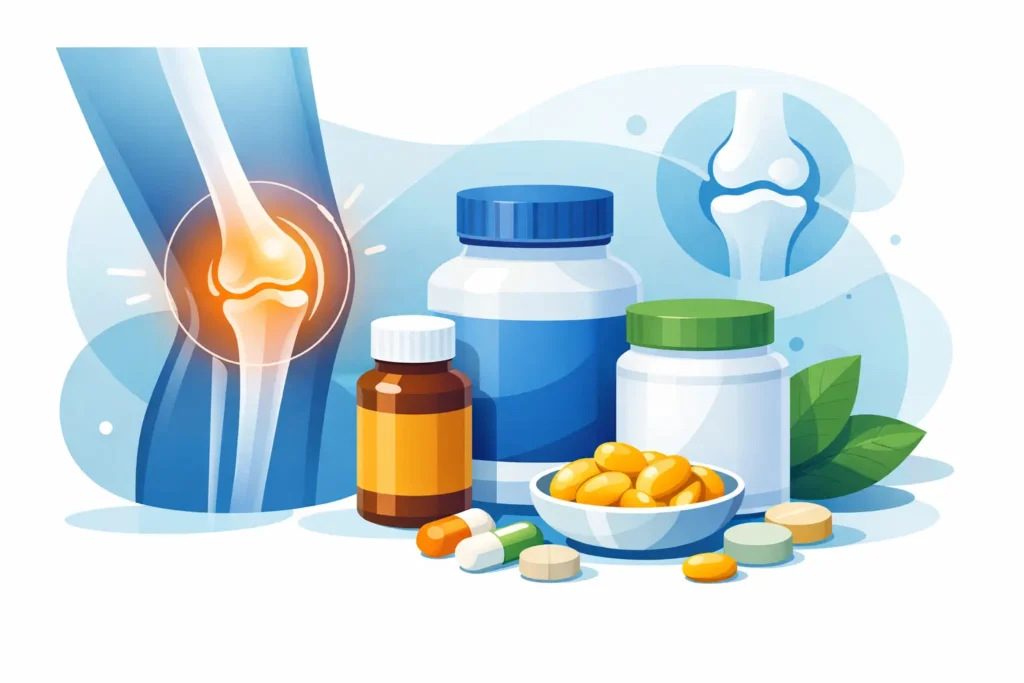
That first sharp feeling when you stand after a long workday, walk down the stairs, or reach for something overhead can make everyday movement feel more complicated than it should. The best supplements for joint health may help support comfort and mobility, but they work best as one part of a thoughtful plan that also considers movement, posture, injury history, inflammation, and the way your body is functioning as a whole.
At Align Chiropractic and Wellness, we encourage patients to look beyond quick fixes. Joint discomfort can come from many sources, including repetitive strain, altered movement patterns, spinal or extremity restrictions, weak supporting muscles, past injuries, and long periods of sitting. A supplement may be useful, but it cannot correct the underlying mechanics on its own.
Why Joint Support Is About More Than One Pill
Your joints depend on much more than cartilage. Muscles stabilize them, tendons and ligaments guide movement, nerves coordinate control, and healthy movement helps circulate nutrients through joint tissues. When any part of that system is under extra stress, discomfort can follow.
That is why the right supplement depends on your goals. An active adult with exercise-related soreness may need a different approach than someone managing age-related stiffness, recovering from an auto accident, or dealing with persistent neck, shoulder, hip, or knee discomfort. The quality of the product, the dose, your medical history, and any medications you take matter too.
Supplements are not designed to replace medical care, nutritious meals, rehabilitation exercises, or appropriate treatment for an injury. They can, however, be a practical addition to a personalized wellness plan when chosen carefully.
Best Supplements for Joint Health: Options With Promise
Research on joint supplements is mixed, and results vary from person to person. Still, several ingredients have reasonable evidence for supporting joint comfort, healthy inflammatory balance, or the tissues that make movement possible.
Collagen Peptides
Collagen is a protein found in connective tissues throughout the body, including cartilage, tendons, ligaments, and bone. Hydrolyzed collagen peptides are broken into smaller pieces that are easier to mix into a drink or food.
Some people use collagen to support exercise recovery and ongoing joint comfort, particularly when combined with regular strength training and adequate protein intake. It is generally well tolerated, although results tend to build gradually rather than overnight. If you try it, consistency for several weeks or months is more realistic than expecting a major change after a few servings.
Vitamin C supports normal collagen formation, so a diet with fruits and vegetables remains relevant. Collagen is support, not a substitute for the movement and loading that help tissues stay resilient.
Curcumin
Curcumin is a naturally occurring compound in turmeric. It is often used for its ability to support a healthy inflammatory response, which can be helpful for people whose joint discomfort is accompanied by soreness or stiffness.
The main challenge is absorption. Many curcumin products use specialized formulations to improve how well the body absorbs the ingredient. More is not always better, and product quality matters. Curcumin can interact with medications, including blood thinners, and may not be appropriate for people with certain gallbladder conditions. Check with a qualified healthcare professional before adding it to your routine.
Omega-3 Fatty Acids
Omega-3 fatty acids, commonly sourced from fish oil or algae oil, support overall inflammatory balance and may be useful for joint health as part of a broader wellness routine. They can be particularly appealing for people who do not regularly eat fatty fish.
Omega-3s are not a targeted repair tool for one painful joint. Their role is broader, which may make them a sensible option for people also focused on cardiovascular and general wellness. Because fish oil can affect blood clotting at higher amounts, review it with your healthcare provider if you take anticoagulant or antiplatelet medication or are preparing for surgery.
Glucosamine and Chondroitin
Glucosamine and chondroitin have been widely used for osteoarthritis-related joint symptoms, especially in the knees. The research is inconsistent: some people report meaningful improvement, while others notice no difference. That does not make these supplements ineffective for everyone, but it does mean they should be approached as a monitored trial rather than a guarantee.
If you choose a glucosamine and chondroitin product, give it enough time to assess, often eight to twelve weeks, while tracking changes in stiffness, walking tolerance, and daily comfort. People with shellfish allergies should check the ingredient source, and anyone with diabetes should discuss glucosamine with their medical provider.
Vitamin D and Key Nutrients
Low vitamin D can affect bone health, muscle function, and overall musculoskeletal well-being. It is not a universal joint supplement, and taking high doses without a known need is not a good strategy. A blood test can help clarify whether supplementation is appropriate.
Magnesium, calcium, and protein also matter, but they serve different roles. Calcium and vitamin D help support bone health, magnesium contributes to normal muscle and nerve function, and protein provides building blocks for muscle recovery. The best plan is based on your nutrition, health history, activity level, and any identified deficiencies, not a one-size-fits-all supplement stack.
How to Choose a Joint Supplement Wisely
Start by identifying what you want to improve. Is your main concern morning stiffness, recovery after activity, knee discomfort with stairs, or generalized aches after sitting? Clear goals make it easier to choose one appropriate option and tell whether it is actually helping.
Avoid starting several new supplements at once. If you add five products together and feel better or worse, you will not know which one made the difference. Choose one evidence-informed option, use it consistently as directed, and reassess after a reasonable trial period.
Look for transparent labels that clearly list active ingredients and doses. Be cautious with proprietary blends that hide how much of each ingredient is included. Third-party quality testing can also provide added confidence that a product contains what its label says.
Natural does not automatically mean safe for everyone. Speak with your physician, pharmacist, or a qualified provider before using supplements if you are pregnant or nursing, have kidney or liver concerns, manage a chronic condition, or take prescription medication. This is especially important when joint pain is new, severe, associated with swelling or redness, follows a fall or accident, or limits your ability to bear weight.
Pair Supplements With Care That Addresses the Cause
A supplement can support your body, but lasting joint health usually depends on how well you move and recover. For many patients, that means improving posture, restoring joint motion, strengthening stabilizing muscles, and learning home exercises that fit their daily routine.
For example, recurring knee discomfort may be influenced by hip strength, foot mechanics, or reduced mobility higher up the chain. Shoulder pain can be connected to neck posture, workstation habits, or limited movement through the upper back. These patterns are why an assessment matters. Treating only the sore area may miss the reason it keeps becoming irritated.
Chiropractic care, spinal and extremity adjustments, rehabilitation exercises, acupuncture, and individualized nutrition guidance may all have a place depending on your needs. Regular re-evaluations also help determine whether your plan is producing measurable progress instead of simply continuing the same approach out of habit.
If joint discomfort is keeping you from exercising, working comfortably, sleeping well, or enjoying time with your family, you do not have to guess your way through the supplement aisle. A personalized evaluation can help you understand what is stressing your body, which supportive options make sense, and what steps can help you move with greater confidence.