
When back pain makes sitting through a workday, lifting your child, or taking a walk feel uncertain, a spinal decompression therapy review should offer more than a simple promise of relief. You deserve to know what the treatment does, who it may help, what a session feels like, and whether it fits the real cause of your symptoms.
Spinal decompression is a non-surgical approach that uses a specialized table to gently and gradually change the pulling forces on the spine. For some people with disc-related low back or neck pain, it can be a valuable part of a broader plan that also includes chiropractic care, rehabilitation exercises, posture support, and practical changes at home.
What Is Spinal Decompression Therapy?
Your spine is made up of vertebrae separated by discs that help absorb shock and allow movement. A disc can become irritated, bulge, or herniate after an injury, repeated strain, prolonged sitting, poor movement habits, or normal age-related changes. When a disc or nearby joint affects a nerve, symptoms may include localized back or neck pain, stiffness, tingling, numbness, or pain that travels into an arm or leg.
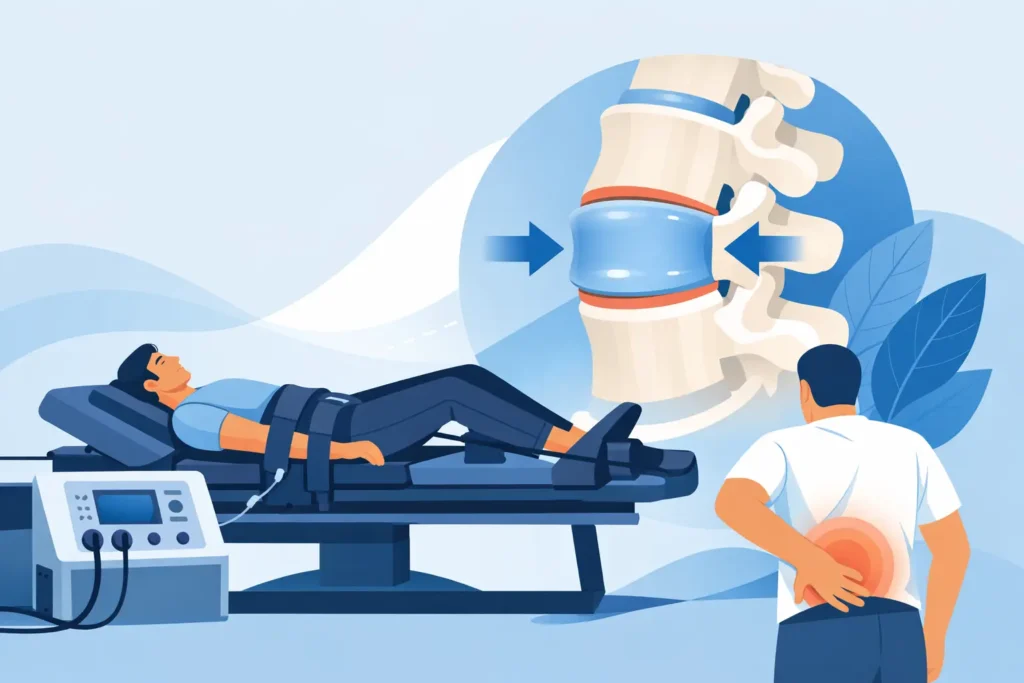
During spinal decompression therapy, you are positioned comfortably on a motorized treatment table. The table applies carefully controlled cycles of gentle traction and relaxation to a targeted area of the spine. The goal is to reduce pressure around irritated structures, encourage healthier movement, and give the body a more favorable environment for recovery.
This is different from simply “stretching your back.” The force, angle, timing, and treatment area are selected based on your condition and response. At Align Chiropractic and Wellness, care begins with an assessment of your symptoms, movement, posture, health history, and objective findings so recommendations are based on your needs rather than a one-size-fits-all protocol.
Spinal Decompression Therapy Review: What Patients Often Notice
Most people find spinal decompression sessions relaxing. You remain fully clothed, secured with comfortable supports, and the treatment table moves through a series of gentle pulling and release phases. A session commonly lasts around 15 to 30 minutes, depending on the care plan and whether other services are provided that day.
You should not feel sharp pain during treatment. Some patients notice a mild stretching sensation through the low back, hips, or neck. Others feel little during the session but notice that standing, walking, or changing positions feels easier afterward. If any position or sensation increases symptoms, the provider should adjust the treatment or stop and reassess.
Results vary. Some people experience meaningful changes early in care, especially when muscle guarding and mechanical irritation are significant contributors. Others improve more gradually over several weeks as pain settles, mobility improves, and rehabilitation strengthens the body’s ability to support healthier movement.
A realistic review of decompression therapy also includes this point: it is not a cure-all. It cannot reverse every cause of pain, and no responsible provider should promise a specific outcome. Lasting improvement often depends on the full picture – including the nature of the injury, daily ergonomics, physical conditioning, sleep, stress, nutrition, and consistency with home recommendations.
Who May Be a Good Candidate?
Spinal decompression may be considered for adults with certain types of disc-related neck or back pain, including pain associated with disc bulges or herniations, degenerative disc changes, sciatica, or recurring pain that worsens with sitting, bending, or prolonged compression. It may also be helpful when a person wants a conservative option before considering more invasive measures, provided their condition has been appropriately evaluated.
For example, a San Antonio professional who spends long hours at a desk may develop low back pain that travels into the leg after months of poor sitting posture and reduced movement. An active adult may have persistent pain after lifting, twisting, or a sports injury. In these situations, decompression may be one useful tool, but it works best when paired with care that addresses posture, joint motion, muscle support, and the habits that keep loading the spine in the first place.
Spinal decompression is not appropriate for everyone. Certain fractures, severe osteoporosis, spinal instability, active infection, some surgical histories, cancer involving the spine, or specific medical conditions may require a different approach. Pregnancy also requires individualized consideration. A thorough consultation helps identify whether decompression is appropriate or whether another type of care, imaging, co-management, or referral is needed.
Why a Personalized Plan Matters
Two people can both say they have “sciatica” while needing very different care. One may have symptoms driven by a disc irritation. Another may have hip dysfunction, muscle tension, spinal stenosis, postural stress, or a combination of factors. Treating the label without understanding the pattern can lead to frustration and short-lived results.
That is why a thoughtful care plan includes regular re-evaluations. Progress is not measured only by whether pain is lower on a given day. It can also include improved range of motion, reduced leg or arm symptoms, better tolerance for work and exercise, improved sleep, and more confidence doing everyday activities.
Depending on your findings, decompression may be combined with chiropractic adjustments to improve joint motion, targeted rehabilitation exercises to build stability, acupuncture for supportive pain management, and clear home-care instruction. The purpose is not to keep you dependent on treatment. It is to help you regain function and give you practical ways to protect your progress between visits.
Questions to Ask Before Starting Treatment
Before beginning a decompression plan, ask what the provider believes is causing your symptoms and how that conclusion was reached. Ask what outcomes they will track, how often they will reassess you, and what you can do at home to support recovery. You should also understand the expected schedule, financial commitment, and what changes would prompt a modification to your plan.
Be cautious of claims that every disc problem needs decompression or that treatment will work identically for all patients. Good care leaves room for clinical judgment. If your symptoms are not responding as expected, your provider should revisit the diagnosis, consider other contributing factors, and discuss next steps with you clearly.
Seek prompt medical evaluation for new or worsening weakness, loss of bowel or bladder control, numbness in the saddle area, fever with back pain, unexplained weight loss, or severe pain following significant trauma. These symptoms may require urgent attention and should not be managed with routine decompression therapy alone.
A Supportive Option, Not a Shortcut
Back and neck pain can narrow your routine until you begin avoiding the things that make life feel like yours. Conservative care can be an empowering place to start when it is guided by a careful assessment and a plan built around your goals.
If you are considering spinal decompression, schedule a consultation to discuss your symptoms, your daily demands, and the type of progress you want to see. The right plan should help you move toward more comfortable days while giving you a clearer understanding of how to care for your spine long after the appointment ends.