
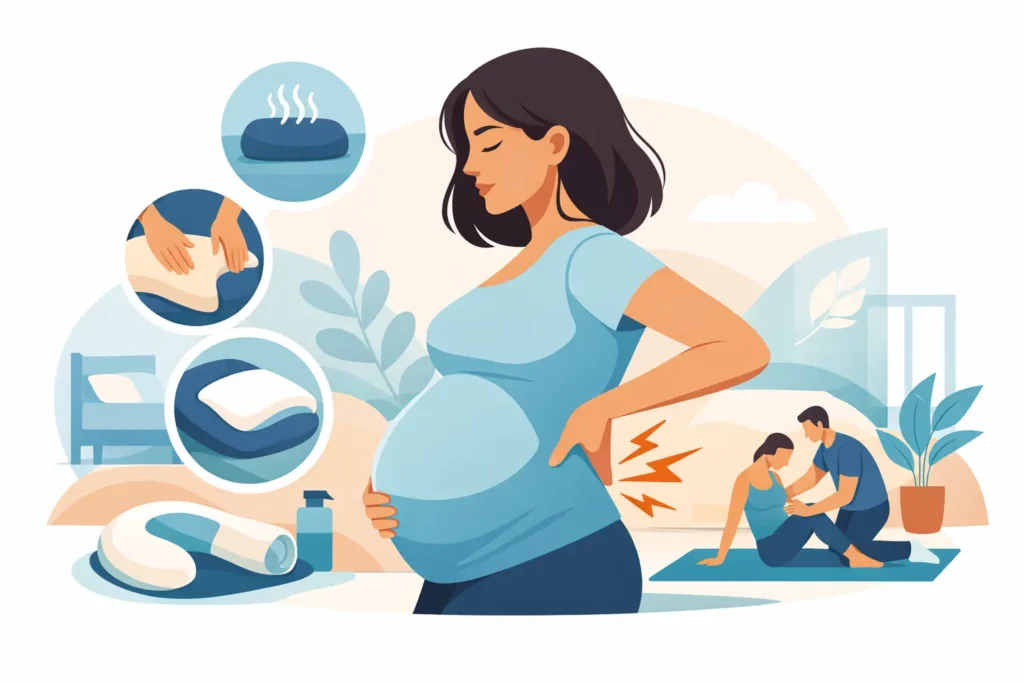
A walk through the grocery store, a full night of sleep, or getting up from the couch can feel unexpectedly difficult when your back hurts during pregnancy. Pregnancy back pain is common, but that does not mean you have to simply push through it. Understanding what is changing in your body can help you make more comfortable, confident choices throughout each trimester.
For many expectant mothers, relief begins with a care plan that respects both the physical demands of pregnancy and the individual factors affecting their movement, posture, and daily routine. The goal is not just to quiet discomfort for a few hours. It is to support better function so you can move, rest, work, and prepare for your growing family with greater ease.
Why pregnancy back pain happens
Your body is doing remarkable work, and that work changes how your spine, pelvis, muscles, and joints share the load. As your abdomen grows, your center of gravity moves forward. Many women naturally lean back to compensate, increasing the curve in the low back and placing additional demand on the muscles that support it.
Hormonal changes matter, too. During pregnancy, the body produces hormones that help ligaments become more flexible in preparation for delivery. This is necessary, but it can also make the joints of the pelvis and low back feel less stable. When stability decreases, muscles may tighten and work harder to protect the area.
Pregnancy back pain can also be influenced by pre-existing posture patterns, prior injuries, long hours of sitting, physically demanding work, reduced activity, stress, and sleep position. A woman who had occasional low back pain before pregnancy may notice that it becomes more frequent as her body changes. Others may develop discomfort for the first time because their usual movement patterns no longer provide enough support.
Pain is not always limited to the center of the low back. Some women feel aching around the sacroiliac joints near the back of the pelvis, tension between the shoulder blades, or discomfort that travels into the buttock or leg. The location and pattern of symptoms help guide the right approach.
When discomfort deserves an assessment
Mild muscle soreness that improves with rest and gentle movement is often part of the body adapting to pregnancy. Persistent, worsening, or limiting pain deserves more attention. You should contact your obstetric provider promptly if back pain occurs with vaginal bleeding, fever, painful urination, regular contractions, fluid leakage, severe abdominal pain, new numbness or weakness, or a sudden change in symptoms.
Outside of those urgent concerns, an individualized musculoskeletal assessment can help clarify what may be contributing to your discomfort. Rather than assuming every ache is simply “normal pregnancy pain,” a provider can evaluate posture, pelvic balance, spinal mobility, muscle tension, daily movement habits, and areas where your body may be compensating.
This is especially helpful when pain is interfering with sleep, work, exercise, caring for other children, or your ability to enjoy pregnancy. Objective findings and regular re-evaluations allow care to adapt as your body changes from one trimester to the next.
Gentle strategies that may help at home
Small daily adjustments can make a meaningful difference, particularly when they are consistent. The best approach depends on your trimester, activity level, symptom pattern, and guidance from your prenatal care team.
Supportive movement is often more helpful than prolonged rest. Gentle walking, prenatal mobility work, and exercises that build strength through the hips, glutes, and deep core can help your body manage changing demands. The key is to choose movement that feels controlled and does not increase pain. If an activity causes sharp pain, radiating symptoms, dizziness, or contractions, stop and speak with your healthcare provider.
Your posture during everyday tasks matters more than perfection. When standing, avoid locking your knees and try to distribute your weight evenly through both feet. When sitting for work or driving, use a small lumbar support if it feels comfortable, keep both feet supported, and change positions regularly. A brief movement break every 30 to 60 minutes can reduce the stiffness that builds after long periods of sitting.
Sleep can become challenging as pregnancy progresses. Side-lying is commonly recommended, and pillows can reduce strain by supporting the abdomen, placing one between the knees, or giving your back something to lean against. There is no single pillow arrangement that works for everyone. Experiment gently until you find a position that helps your hips, pelvis, and low back relax.
For lifting, get close to the object, bend through your knees and hips, and keep the item near your body. Avoid twisting while carrying weight. This may sound simple, but repeated bending, lifting a toddler, moving laundry, or loading groceries can aggravate a sensitive low back when the body is already under more demand.
A warm shower, a warm compress used safely, and gentle stretching may also provide comfort for muscle tension. Ask your prenatal provider before using heat, over-the-counter medications, supplements, or any new form of exercise, since pregnancy recommendations can vary based on your health history.
Chiropractic care during pregnancy
Prenatal chiropractic care focuses on supporting comfortable movement and healthy musculoskeletal function through pregnancy. Care should be adapted to the patient, her trimester, her symptoms, and her medical history. The techniques used are gentle and designed with pregnancy positioning in mind.
A chiropractic evaluation may identify joint restrictions, postural changes, pelvic imbalance, and muscular overuse that may be contributing to pregnancy back pain. Depending on your needs, a personalized plan may include gentle spinal or extremity adjustments, soft-tissue work, pregnancy-appropriate rehabilitation exercises, and practical instruction for home care.
The value of individualized care is that two women with “low back pain” may need very different support. One may be experiencing hip and pelvic strain after standing at work all day. Another may have upper back tension from breast changes, computer work, and poor sleep. A third may be dealing with symptoms connected to a past injury. A thoughtful assessment helps avoid a one-size-fits-all response.
At Align Chiropractic and Wellness, prenatal care is approached as part of whole-person wellness. That means listening closely to your concerns, reviewing how your symptoms affect daily life, and creating a plan that can include hands-on care, rehabilitative support, and realistic at-home recommendations. Communication with your obstetrician or midwife remains an important part of safe, coordinated care.
Supporting your body beyond the appointment
The most useful care plan should fit real life. If you are balancing a job, family responsibilities, appointments, and fatigue, a long or complicated home routine may not be realistic. A few targeted movements performed regularly are often more sustainable than an ambitious program that becomes another source of stress.
Nutrition, hydration, and recovery also influence how your body feels. Adequate hydration supports normal body function, while regular meals that include protein, fiber, and nutrient-dense foods can help maintain steady energy for movement and recovery. If you are considering supplements, discuss them with your prenatal provider first.
Stress can increase muscle tension and make pain feel more intense. A few minutes of breathing, gentle mobility, a short walk, or a supportive conversation can be valuable parts of your routine. These are not replacements for clinical care when pain is significant, but they can help your nervous system shift out of the constant guarding that often accompanies discomfort.
A more comfortable path through pregnancy
You do not need to wait until pain becomes overwhelming to ask for help. Early attention to posture, movement, joint function, and daily habits may make it easier to stay active and manage the physical changes ahead.
If pregnancy back pain is disrupting your sleep, work, or ability to move comfortably, schedule a personalized evaluation. The right support can help you feel more informed about your body, more capable in your daily routine, and better prepared for the months ahead.