
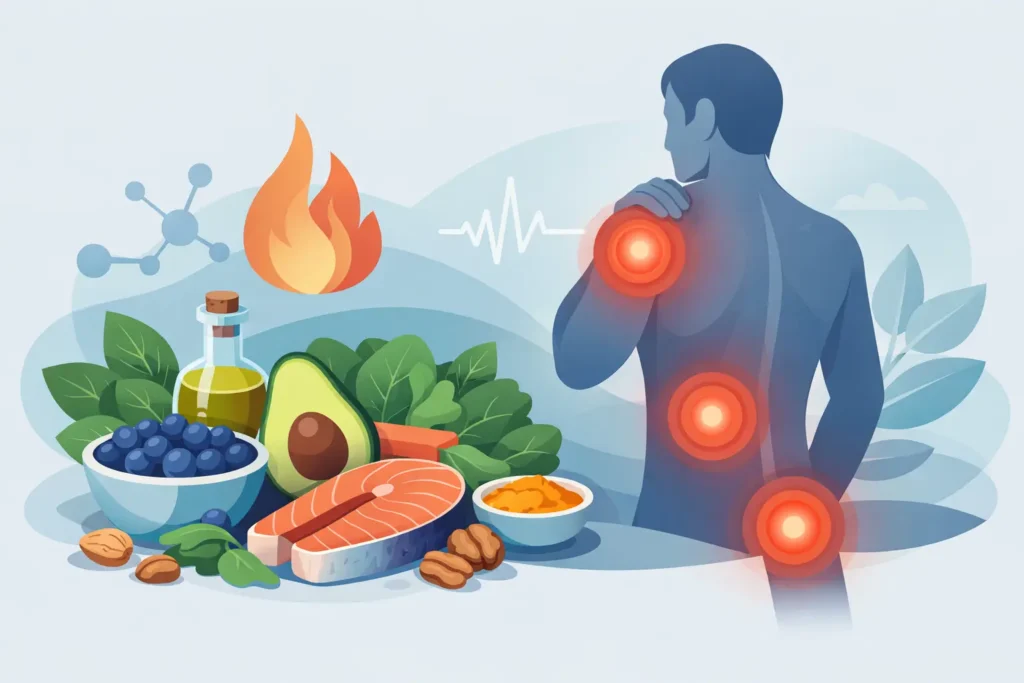
A sore back after a long workday, a stiff neck that returns every morning, or headaches that flare when life gets busy can make pain feel like a constant part of the routine. Hands-on care, movement, posture, sleep, and stress all matter. So does nutrition for inflammation and pain. The foods you eat cannot correct a disc injury, replace an adjustment, or erase an auto accident injury overnight, but they can influence the environment in which your body heals, adapts, and manages stress.
At Align Chiropractic and Wellness, we look at the whole person because pain is rarely just one thing. A personalized nutrition approach can support your care plan by helping you build steadier energy, provide key nutrients for recovery, and reduce dietary patterns that may contribute to inflammation for some people.
Why Food Can Affect Pain and Recovery
Inflammation is part of the body’s normal repair process. After a strain, injury, or demanding workout, short-term inflammation helps direct resources to damaged tissue. The concern is not that inflammation exists. The concern is when it remains elevated or when a person’s daily habits repeatedly make it harder for the body to recover.
Poor sleep, chronic stress, low activity, smoking, and certain medical conditions can all affect inflammation. Food is one piece of that larger picture. Diets built around highly processed foods, excess added sugar, refined carbohydrates, and frequent alcohol may leave some people feeling more achy, fatigued, or prone to energy crashes. On the other hand, consistently eating nutrient-dense foods supports normal immune function, tissue repair, muscle health, and stable blood sugar.
This is not about labeling foods as good or bad. It is about noticing patterns. If your lunch leaves you tired and craving sweets by midafternoon, or your weekend eating habits seem to coincide with worse joint stiffness, that information can help guide a practical plan.
Nutrition for Inflammation and Pain Starts With the Basics
The most helpful anti-inflammatory eating pattern is usually not a strict cleanse or a short-term challenge. It is a way of eating you can maintain during busy workweeks, family dinners, travel, and recovery from an injury.
Build meals around colorful plants
Vegetables and fruits provide fiber, vitamins, minerals, and plant compounds that support overall health. Aim for variety rather than chasing one “superfood.” Leafy greens, bell peppers, broccoli, tomatoes, berries, citrus, squash, beans, and avocado are all useful options.
For a simple starting point, make produce take up about half of your plate at lunch and dinner when possible. Frozen vegetables and fruit count, especially for busy parents and professionals who need convenient options. A bag of frozen broccoli, berries in a smoothie, or pre-washed salad greens can be more realistic than an elaborate meal plan.
Choose protein that supports muscle and tissue health
Pain often changes how people move. When activity drops after a flare-up or accident, maintaining muscle can become more difficult. Protein helps support muscle repair and can make meals more filling, which may reduce the urge to snack on highly processed foods later in the day.
Include a quality protein source at each meal, such as fish, eggs, Greek yogurt, chicken, turkey, beans, lentils, tofu, or lean cuts of meat. Your individual needs depend on body size, activity level, age, health history, and recovery goals. Someone doing rehabilitation exercises may need a different strategy than someone managing digestive concerns or kidney disease.
Favor healthy fats, especially omega-3 fats
Fatty fish such as salmon, sardines, trout, and mackerel provide omega-3 fatty acids, which are associated with healthy inflammatory balance. If fish is not part of your routine, walnuts, chia seeds, flaxseed, and hemp seeds offer plant-based omega-3s, though they are not identical to the omega-3s found in fish.
Olive oil, avocado, nuts, and seeds are also valuable choices. Try using olive oil in place of heavily processed dressings or adding walnuts and berries to oatmeal. Small changes repeated daily are often more meaningful than occasional perfect meals.
Select carbohydrates for steady energy
Carbohydrates are not the enemy, particularly if you are active, exercising for rehabilitation, or trying to stay energized through a demanding day. The goal is to choose carbohydrates that come with fiber and nutrients more often: oats, brown rice, quinoa, sweet potatoes, beans, fruit, and whole-grain breads.
Pairing carbohydrates with protein and fat can help slow digestion and support steadier energy. For example, instead of a pastry and coffee for breakfast, consider eggs with whole-grain toast and fruit, or Greek yogurt with berries and nuts. This does not mean you can never enjoy a favorite food. It means your everyday choices should help you feel more stable, not more depleted.
Foods to Reduce Without Creating a Restrictive Diet
There is no single food that causes all pain, and broad elimination diets can be unnecessarily stressful. Still, many people benefit from reducing the foods that crowd out nutrient-dense choices. Common examples include sugary drinks, frequent desserts, highly refined snack foods, processed meats, fried foods, and excessive alcohol.
Pay attention to frequency and portion rather than expecting perfection. A soda with lunch every day has a different effect on your routine than an occasional soda at a celebration. Likewise, eating out in San Antonio can still fit a wellness-focused plan. Look for grilled protein, vegetables, beans, salsa, soups, or a side salad when available, and make the next meal a supportive one instead of treating one restaurant meal as a setback.
Some people wonder whether gluten, dairy, nightshade vegetables, or other foods are the reason for their pain. The answer depends. These foods are not inherently inflammatory for everyone. If you notice a consistent symptom pattern, a structured trial with guidance from a qualified healthcare professional can be useful. Avoid cutting out multiple food groups without a plan, especially if you are pregnant, managing diabetes, have digestive disease, or have a history of disordered eating.
Hydration, Sleep, and Stress Are Part of the Plan
Nutrition works best alongside the rest of your care. Dehydration can contribute to headaches, fatigue, and reduced exercise tolerance. Water needs vary, but carrying a water bottle and drinking regularly throughout the day is a practical place to begin. If plain water is difficult, try sparkling water, unsweetened herbal tea, or water flavored with citrus.
Sleep also affects food choices and pain sensitivity. When you are exhausted, convenience foods become more appealing and recovery can feel harder. A consistent bedtime, reduced late-night screen time, and a simple evening meal can support better rest. Stress management matters for the same reason. Gentle walking, breathing exercises, acupuncture, movement prescribed in your rehabilitation plan, and realistic boundaries can all complement nutritional changes.
A Practical Week of Better Choices
Do not try to overhaul every meal at once. Start with one or two changes you can repeat. You might add a protein-rich breakfast three days this week, replace one sugary drink each day with water, or include vegetables at dinner four nights this week. Then notice what changes in your energy, digestion, sleep, and pain patterns.
Keeping a brief food and symptom journal can be helpful, but it should not become another source of stress. Write down meals, hydration, sleep quality, activity, and how your body feels. Over a few weeks, patterns may become clearer. This information can also support a more productive conversation during your re-evaluations and wellness visits.
Personalizing Nutrition Alongside Chiropractic Care
A person with sciatica, recurring headaches, pregnancy discomfort, or pain after an auto accident does not need a one-size-fits-all nutrition plan. Your current symptoms, medications, activity tolerance, medical history, schedule, and goals all matter. Nutrition may support recovery, but it should be paired with a thorough assessment and appropriate care for the underlying cause of pain.
At Align Chiropractic and Wellness, personalized care may include chiropractic adjustments, rehabilitation exercises, home-care guidance, acupuncture, and lifestyle recommendations based on your needs. If nutrition questions are part of your health goals, bring them up during your visit. We can help you identify realistic next steps that fit your condition and your daily life.
A supportive plate will not solve every source of pain, but it can give your body better raw materials for the work of healing. Begin with one nourishing choice you can make again tomorrow, and let that consistency become part of your long-term recovery.