
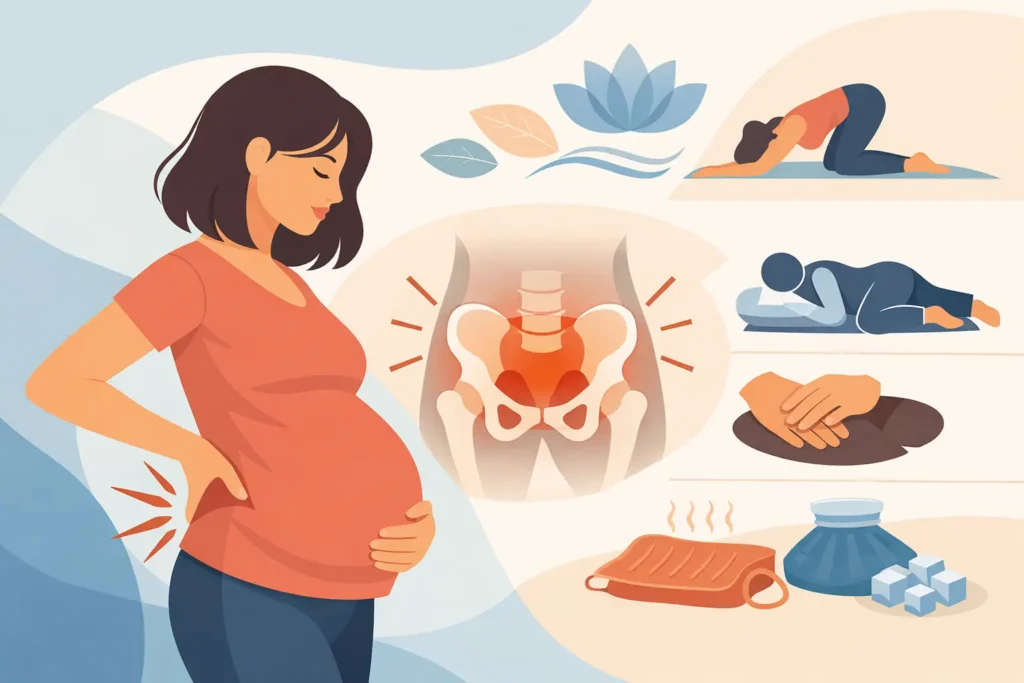
That sharp pull when you roll over in bed, climb the stairs, or step out of the car can make pregnancy feel much more physically demanding than you expected. This guide to pregnancy pelvic pain can help you understand why it happens, what may ease it, and when your symptoms deserve prompt medical attention.
Pelvic discomfort is common during pregnancy, but common does not mean you have to simply push through it. Your body is adapting quickly to support a growing baby. With the right assessment, movement strategies, and support, many people can move more comfortably and feel more confident throughout pregnancy.
What Pregnancy Pelvic Pain Can Feel Like
Pregnancy-related pelvic pain is not always one sensation in one spot. Some people describe aching at the pubic bone, while others feel pain through the groin, hips, buttocks, low back, or upper thighs. It may appear as pressure, catching, clicking, burning, or a feeling that the pelvis is unstable.
Symptoms often worsen with movements that load one side of the body at a time. Walking quickly, taking large steps, standing on one leg to get dressed, lifting a toddler, turning in bed, or getting in and out of a vehicle can all become uncomfortable. For some, pain stays mild and occasional. For others, it begins to affect sleep, work, exercise, and everyday tasks.
The pattern matters. A thorough evaluation considers where you feel pain, which activities provoke it, your posture and movement habits, prior injuries, muscle strength, and how far along you are in your pregnancy. This helps identify supportive next steps rather than relying on a one-size-fits-all recommendation.
Why Pelvic Pain Happens During Pregnancy
Your pelvis is designed to move, but pregnancy changes the demands placed on it. Hormonal changes can increase joint and ligament flexibility. At the same time, your growing abdomen shifts your center of gravity, changes how you stand and walk, and asks more of the muscles that support your trunk, hips, and pelvic floor.
These changes can contribute to pelvic girdle pain, sometimes called pregnancy-related pelvic girdle pain or symphysis pubis dysfunction. The pubic symphysis is the joint at the front of the pelvis. When the two sides of the pelvis are not sharing load comfortably, certain movements can become painful.
Pain may also be influenced by low back or hip mechanics, tight or overworked muscles, reduced core stability, old injuries, repetitive work positions, or a sudden increase in activity. It is rarely helpful to assume there is one isolated cause. Your body works as a connected system, and pelvic comfort often depends on how your spine, hips, core, and daily movement patterns work together.
A Guide to Pregnancy Pelvic Pain Relief at Home
Small adjustments can reduce unnecessary strain. The goal is not complete stillness. Gentle, well-tolerated movement usually supports circulation, strength, and confidence. The key is choosing movement that does not consistently flare symptoms.
Try keeping your knees closer together when getting out of bed or a car. When rolling in bed, bend your knees and move your shoulders and hips as one unit rather than twisting through the pelvis. Sit down to put on pants, socks, and shoes instead of balancing on one leg. If stairs are painful, take them slowly, use a railing, and lead with the less painful leg when going up.
Avoid taking extra-wide steps, carrying heavy items on one hip, and standing with your weight shifted into one leg for long periods. These habits can place more uneven stress through the pelvis. A supportive pillow between your knees while sleeping on your side may also reduce strain, especially if you notice pain when turning at night.
Heat can be soothing for muscle tension around the low back, hips, and glutes. Use a warm, not hot, compress for short periods and avoid applying heat directly over your abdomen. A pelvic support belt may help some patients feel more stable during walking or daily tasks, but fit and timing matter. A clinician can help you decide whether one is appropriate and how to use it without becoming dependent on it.
Gentle exercises can also be valuable, but the right choices depend on your symptoms. A program may include breathing, pelvic-floor coordination, light core activation, hip strengthening, posture work, and mobility exercises. If an exercise causes sharp pain, increases symptoms later that day, or leaves you limping, it needs to be modified or stopped.
When to Seek Care Right Away
Pelvic pain should never be dismissed if it is severe, sudden, or paired with concerning symptoms. Contact your obstetric provider or seek urgent medical care if you have vaginal bleeding, leaking fluid, fever, chills, painful urination, regular contractions, severe abdominal pain, dizziness or fainting, new numbness or weakness, or pain that makes it difficult to walk.
It is also wise to check in with your prenatal provider if pain is progressively worsening, occurs at rest, follows a fall or accident, or is accompanied by swelling, redness, or warmth in one leg. These symptoms may not be caused by routine musculoskeletal changes and need medical evaluation.
For less urgent but persistent pain, early support can make a meaningful difference. Waiting until symptoms become intense can lead to more compensation, less activity, and greater frustration. Your prenatal care team can help rule out medical concerns and advise you on safe options for your stage of pregnancy.
How Personalized Pregnancy Care Can Help
Hands-on musculoskeletal care can be a supportive part of a pregnancy wellness plan when it is coordinated with appropriate prenatal care. At Align Chiropractic and Wellness, pregnancy care begins with listening to what movements are difficult, reviewing your health history, and assessing posture, spinal and pelvic motion, muscle tension, and functional movement.
Care plans may include gentle chiropractic adjustments to the spine or extremities, soft-tissue work, pregnancy-appropriate rehabilitation exercises, posture guidance, and practical home-care recommendations. The purpose is not to force the pelvis into a position. It is to improve how your body moves, reduce avoidable stress on sensitive areas, and help supporting muscles do their job more effectively.
Regular re-evaluations are useful because pregnancy changes week by week. What feels helpful in the second trimester may need adjustment later as your body and activity needs change. A personalized plan can also account for work demands, commuting, exercise goals, previous pregnancies, and caring for other children.
Chiropractic care is not a replacement for obstetric care, and communication matters. Tell your chiropractor about any pregnancy complications, new symptoms, medical restrictions, or recommendations from your OB-GYN or midwife. The best care is collaborative, cautious, and centered on your comfort and safety.
Protecting Your Mobility Through the Rest of Pregnancy
Pelvic pain can make people understandably afraid to move, yet avoiding all activity can make muscles feel weaker and stiffer. Aim for a manageable middle ground. Short, frequent walks may be more comfortable than one long outing. Change positions regularly if you sit or stand for work. Choose supportive shoes, simplify heavy chores, and ask for help with tasks that repeatedly trigger pain.
Pay attention to the 24-hour response to activity. Mild discomfort that settles quickly may be manageable. Pain that builds during the day, disrupts sleep, or is noticeably worse the next morning is useful feedback that your body needs a different approach. This is where an individualized plan can be more effective than generic online exercises.
You deserve care that takes your symptoms seriously while honoring the strength and adaptability of your body. With thoughtful support, safe movement, and timely communication with your prenatal team, pelvic pain does not have to define your pregnancy experience.