
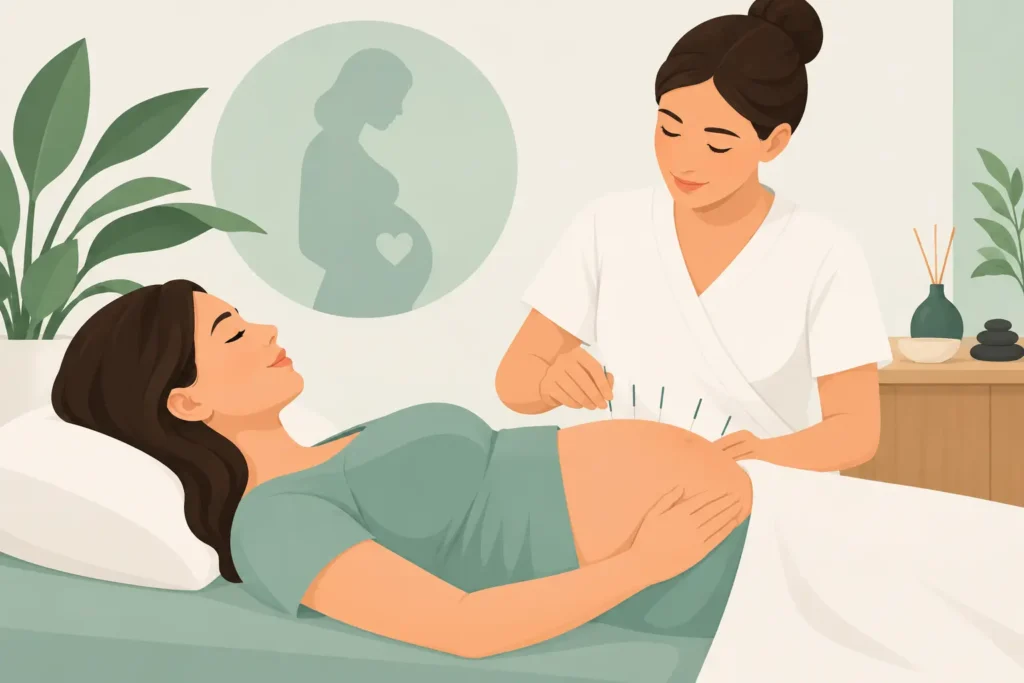
Pregnancy can change how you move, sleep, work, and recover from an ordinary day. When low back pain, pelvic pressure, nausea, headaches, or stress begin to affect daily life, many expecting mothers look for gentle, non-medication options. So, is acupuncture safe during pregnancy? For many people, it can be when it is provided by a properly trained practitioner who understands prenatal care, uses a careful assessment process, and coordinates with the patient’s obstetric provider when needed.
Acupuncture is not a one-size-fits-all treatment, and pregnancy is not the time for a generic approach. The right plan should account for your stage of pregnancy, health history, symptoms, previous pregnancies, and any conditions that may require additional caution.
Is acupuncture safe during pregnancy?
Research and clinical experience suggest that acupuncture is generally well tolerated during pregnancy when delivered by a qualified professional using pregnancy-specific precautions. It may be used to support comfort with concerns such as back pain, neck tension, pelvic girdle discomfort, nausea, headaches, sleep disruption, and stress.
That does not mean every point, technique, or treatment schedule is appropriate for every expectant mother. Some acupuncture points and stronger stimulation methods are traditionally avoided during pregnancy because they may influence uterine activity or are otherwise not used in routine prenatal care. A trained provider will select points thoughtfully, use conservative techniques, and monitor how you respond.
Before beginning care, let your OB-GYN, midwife, or prenatal care team know you are considering acupuncture. This is especially important if you have a high-risk pregnancy, vaginal bleeding, placenta previa, preeclampsia, a history of preterm labor, ruptured membranes, severe abdominal pain, or other pregnancy complications. Acupuncture should complement appropriate prenatal medical care, never replace it.
Why pregnancy discomfort deserves individualized care
As your body adapts to pregnancy, your center of gravity shifts. The growing abdomen can increase strain through the low back, hips, pelvis, and feet. Hormonal changes also affect connective tissues, which can make joints feel less stable. For someone who already sits at a desk, stands for long shifts, cares for young children, or has a history of back injury, those changes can become especially noticeable.
Pain is not always just a matter of a sore muscle. Posture, movement patterns, muscle tension, joint mobility, sleep position, activity demands, and nervous system stress can all play a role. That is why a whole-person evaluation matters. Rather than simply chasing the most painful spot, a provider should consider what may be contributing to the discomfort and which conservative options best fit your needs.
Acupuncture may be one part of that plan. Depending on your condition, supportive care might also include gentle mobility work, posture guidance, pregnancy-safe home exercises, movement modifications, hydration and nutrition conversations, or other recommendations from your prenatal team.
What acupuncture may help with during pregnancy
Many patients seek acupuncture because they want symptom relief while limiting unnecessary medication use. Individual results vary, but acupuncture is commonly considered for several pregnancy-related concerns.
Back, hip, and pelvic discomfort
Low back pain and pelvic girdle pain are among the most common reasons pregnant patients seek conservative care. Acupuncture may help reduce muscle tension, support relaxation, and improve comfort with movement. Treatment is often most effective when paired with practical guidance for sitting, sleeping, lifting, walking, and staying active within your comfort level.
Nausea and digestive discomfort
Some people use acupuncture early in pregnancy to help manage nausea. While severe nausea and vomiting require medical attention, acupuncture may be a supportive option for milder symptoms when your prenatal provider agrees it is appropriate.
Headaches, tension, and sleep challenges
Changes in sleep, stress levels, hydration, posture, and hormones can all contribute to headaches and muscle tension. Acupuncture may help some patients feel more relaxed and comfortable. However, new, severe, persistent, or unusual headaches during pregnancy should be discussed with your OB-GYN or midwife promptly, particularly if they occur with visual changes, swelling, high blood pressure, or upper abdominal pain.
Stress and overall well-being
Pregnancy asks a lot of your body and mind. A calm treatment setting and individualized care can provide a valuable opportunity to slow down, check in with your symptoms, and support your overall well-being. Acupuncture is not a substitute for mental health care when that is needed, but it can be a meaningful part of a broader self-care routine.
What makes prenatal acupuncture safer?
Safety begins before the first needle is placed. A prenatal acupuncture visit should include a conversation about your due date, current symptoms, medical history, medications and supplements, pregnancy complications, and the guidance you have received from your obstetric provider.
Your practitioner should use sterile, single-use needles and explain the treatment plan in clear language. They should also know which points and methods to avoid during pregnancy, how to position you comfortably, and when a symptom calls for medical referral instead of continued treatment.
Positioning deserves particular attention as pregnancy progresses. Lying flat on your back for an extended period can make some people feel dizzy, nauseated, or short of breath. Side-lying or supported, semi-reclined positioning may be more comfortable and appropriate. Your comfort is useful clinical information, so speak up if you feel lightheaded, overheated, anxious, or uncomfortable at any point.
Choose a licensed acupuncture provider with specific prenatal experience. Ask how they adapt treatment for pregnancy and whether they are willing to collaborate with your OB-GYN or midwife. A trustworthy provider will welcome these questions rather than make broad promises or pressure you into care.
When should you wait or seek medical care first?
Acupuncture is not the right first step for every symptom. Contact your prenatal care team promptly for vaginal bleeding, leaking fluid, regular painful contractions before term, fainting, fever, chest pain, trouble breathing, sudden swelling, decreased fetal movement later in pregnancy, or severe and persistent abdominal pain.
You should also seek prompt medical guidance for a severe headache, vision changes, sudden swelling of the face or hands, or pain in the upper right abdomen. These symptoms can require timely evaluation and should not be managed with wellness care alone.
If your pregnancy is considered high risk, that does not automatically mean acupuncture is off the table. It means coordination and individualized clinical judgment matter even more. Your obstetric provider can help determine whether it fits safely into your care plan.
What to expect at a prenatal acupuncture appointment
A thoughtful first visit should feel unhurried. Your provider may ask about where and when symptoms occur, what makes them better or worse, your work and activity habits, sleep quality, prior injuries, and pregnancy history. They may also assess posture, movement, areas of muscle tension, and joint function when appropriate.
During treatment, most people feel little more than a brief pinch as needles are placed. Some notice warmth, heaviness, tingling, or a deep relaxed sensation. Others simply rest. Afterward, you may feel calm or mildly tired, and some people notice gradual improvement over several visits rather than an immediate change.
Treatment frequency depends on your symptoms, goals, response to care, and stage of pregnancy. A provider should re-evaluate your progress regularly instead of assuming the same plan will remain appropriate throughout pregnancy.
A supportive path toward a more comfortable pregnancy
Pregnancy discomfort can be common, but it should not be dismissed as something you simply have to endure. At Align Chiropractic and Wellness, care begins with listening to your concerns and building a personalized plan that supports comfort, movement, and long-term wellness while respecting your prenatal medical care.
If you are considering acupuncture during pregnancy, start with a conversation. Ask questions, share your full health history, and choose providers who make safety, communication, and individualized care the foundation of every visit. Feeling supported in your care can make a meaningful difference as your body changes and you prepare for what comes next.