
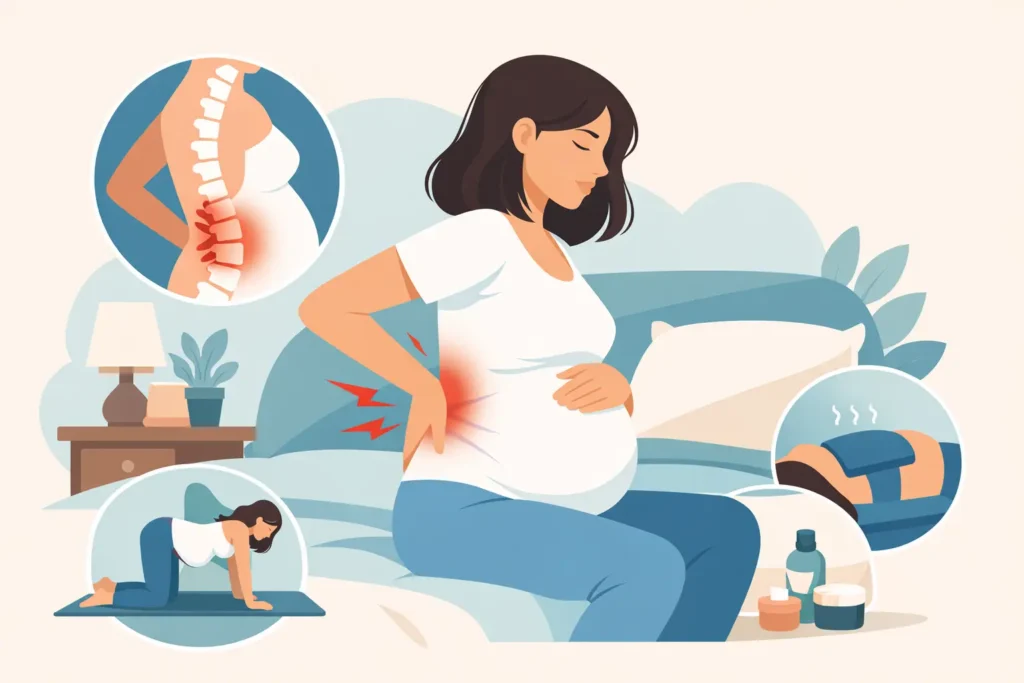
By the end of a long day, pregnancy back pain can make simple things feel harder than they should – standing at the counter, getting out of the car, even finding a comfortable position in bed. If you are searching for how to relieve pregnancy backache, the goal is not just to push through it. The goal is to understand why it is happening, ease strain on your body, and support a healthier, more comfortable pregnancy.
Pregnancy backache is common, but that does not mean you have to accept it as your new normal. As your body changes, your center of gravity shifts, abdominal muscles stretch, posture adapts, and joints can become more mobile. All of that puts extra demand on the low back, pelvis, hips, and surrounding muscles. In many cases, the best relief comes from a combination of daily habit changes, targeted movement, and hands-on care when needed.
Why pregnancy back pain happens
Back pain during pregnancy usually has more than one cause. Weight gain and a growing belly can increase stress on the lumbar spine. Hormonal changes can loosen ligaments and make joints less stable, especially around the pelvis. At the same time, many women start leaning backward to compensate for their changing shape, which can tighten the low back and overwork the muscles that are already trying to keep everything balanced.
There is also the reality of everyday life. You may still be working, caring for other children, commuting, or sitting for long hours. Those demands matter. Pregnancy does not happen in a vacuum, and back pain often gets worse when posture, stress, fatigue, and repetitive movements are layered on top of physical changes.
How to relieve pregnancy backache at home
The most effective home strategies are usually simple, but consistency matters more than intensity. Small adjustments done every day tend to help more than doing one big stretch once in a while.
Pay attention to posture
Posture is not about standing stiffly. It is about reducing unnecessary strain. Try to keep your ears, shoulders, and hips in a more natural line instead of leaning backward. When standing, soften your knees and avoid locking them. If you have to stand for a while, placing one foot on a low step or shifting your weight regularly can reduce pressure on the low back.
If you sit for work, support matters. Choose a chair with good lower back support or place a small pillow behind your low back. Keep both feet flat on the floor and take standing or walking breaks every 30 to 45 minutes. Long periods in one position can make pregnancy backache much worse.
Change how you move
A lot of back pain comes from repeated small stresses. When getting out of bed, roll onto your side first and use your arms to push up instead of jackknifing forward. When lifting, bend at your hips and knees and keep the object close to your body. If you are carrying a toddler, groceries, or a heavy work bag on one side all the time, that uneven load can irritate the low back and pelvis.
Movement technique may sound minor, but it often makes a noticeable difference within days.
Use gentle exercise, not total rest
Rest can help during flare-ups, but too much rest often backfires. Gentle movement supports circulation, joint mobility, and muscle balance. Walking is usually a good place to start. Prenatal stretching and strengthening can also help, especially exercises that support the hips, glutes, and core in a safe way.
Pelvic tilts, cat-cow movements, and gentle hip mobility work are often useful, but the right exercise depends on your stage of pregnancy and what is actually driving your pain. If an exercise increases pain, causes pressure, or just feels wrong, stop and get guidance. More is not always better.
Support your sleep position
Sleep is one of the biggest pain variables in pregnancy. Lying on your side with a pillow between your knees can reduce strain through the pelvis and low back. Some women also feel better with a pillow under the belly or behind the back for extra support. If you wake up sore, your sleep setup may need adjusting.
Mattress firmness also matters, but there is no perfect rule. Some people need more support, while others need more cushioning at the hips and shoulders. The best setup is the one that helps you wake up with less tension, not more.
Try heat and simple comfort measures
A warm compress on the low back can help tight muscles relax. Warm baths may also feel good if your OB has not advised against them. Supportive shoes can reduce stress from the ground up, especially if you are spending a lot of time on your feet. Some women also benefit from a maternity support belt, particularly if they feel pelvic heaviness or discomfort with walking.
These tools can be helpful, but they work best as part of a bigger plan rather than as the only strategy.
When backache points to pelvic or sciatic irritation
Not all pregnancy back pain feels the same. Sometimes the pain stays centered in the low back. Other times it wraps into the hips, buttocks, or back of the leg. That pattern may suggest irritation involving the sacroiliac joints, surrounding muscles, or sciatic nerve pathways.
This is where individualized assessment matters. Two women can both say, “My back hurts,” and need very different solutions. One may need better glute support and posture correction. Another may need pelvic stabilization and hands-on care. A third may be overdoing stretching when what her body really needs is better muscular support.
Professional care can make a real difference
If you are doing the right basics and still hurting, it may be time for professional support. Pregnancy is a season when the body changes quickly, and the right care plan should reflect that. A provider should assess posture, pelvic alignment, spinal motion, muscle tension, gait, and the specific movements that trigger your symptoms.
Conservative, pregnancy-focused chiropractic care can help reduce joint restriction, improve motion, and ease mechanical stress in the spine and pelvis. For many patients, that means less tension, better mobility, and more comfort with daily activities. The key is choosing a provider experienced in prenatal care who uses appropriate techniques for each stage of pregnancy.
At Align Chiropractic and Wellness, this kind of care is approached as part of the bigger picture. That may include hands-on treatment, posture and movement recommendations, simple home exercises, and regular re-evaluations to see what is changing and what still needs support. That whole-person approach matters because pregnancy discomfort is rarely caused by one factor alone.
When to seek help sooner
Some back pain is mechanical and manageable. Some symptoms need prompt medical attention. Contact your OB or healthcare provider right away if your back pain is severe, comes with vaginal bleeding, fever, painful urination, contractions, sudden swelling, numbness, weakness, or pain that feels rhythmic and does not let up. Those signs can point to something more than routine musculoskeletal strain.
It is also worth getting checked if your pain is steadily worsening, interfering with sleep, or making it difficult to walk, work, or care for yourself. You do not need to wait until the pain becomes overwhelming.
What often helps most is a combination
When patients ask how to relieve pregnancy backache, they are often hoping for one fix. Usually, the answer is more layered than that. Better posture without movement breaks may not be enough. Stretching without pelvic support may only partly help. Hands-on care without changing daily habits may bring short-term relief but not lasting progress.
The best results usually come from combining a few strategies that match your body and your routine. That might mean adjusting your workstation, changing how you sleep, strengthening the right muscle groups, and getting evaluated for spinal or pelvic dysfunction. Relief is often possible, but the path is personal.
Pregnancy asks a lot from your body. You deserve care that listens closely, explains clearly, and supports you in practical ways. If your backache is making daily life harder, take that as a sign to give your body more support, not less. Small changes can help, and the right guidance can make this season feel a lot more manageable.