
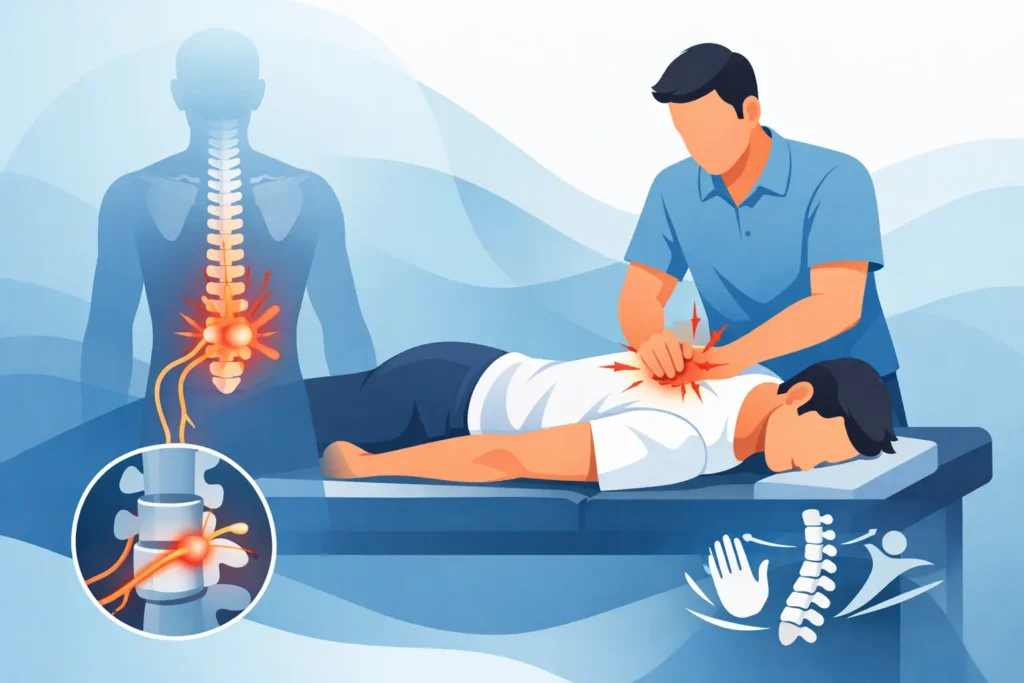
That sharp, burning pain running from your low back into your hip or down your leg can make ordinary life feel anything but ordinary. If you are searching for chiropractic care for sciatica, you are probably not looking for a temporary distraction from the pain. You want to know what is causing it, what can calm it down, and what may help keep it from coming back.
Sciatica is not a diagnosis by itself. It is a pattern of symptoms that usually happens when the sciatic nerve is irritated or compressed. For some people, that feels like an electric jolt down one leg. For others, it is numbness, tingling, weakness, or a deep ache that gets worse when sitting, bending, or standing too long. The details matter because sciatic pain can stem from several different issues, and the best treatment depends on what is driving your symptoms.
What chiropractic care for sciatica is trying to address
The goal of chiropractic care is not simply to chase pain from one appointment to the next. A thoughtful care plan looks at why the nerve is under stress in the first place. In many cases, that includes restricted spinal joints, poor movement mechanics, postural strain, muscular imbalance, disc irritation, or changes in how the pelvis and low back are working together.
This is why a proper evaluation comes first. Before beginning treatment, a chiropractor should look at your posture, spinal motion, reflexes, strength, sensation, and orthopedic testing. They should ask where the pain travels, what movements aggravate it, whether you have noticed weakness, and how long the problem has been going on. That information helps separate true sciatic nerve irritation from other causes of leg pain, such as hip problems, muscle referral patterns, or vascular issues.
When chiropractic care is a good fit, treatment may help reduce mechanical stress on the lower back and pelvis, improve joint motion, calm irritated tissues, and restore more normal movement. For many patients, that means less nerve irritation and better day-to-day function.
How chiropractic care for sciatica may help
A common misconception is that sciatica treatment is only about a spinal adjustment. Adjustments can be helpful, but they are usually just one piece of a broader plan.
If the low back or pelvis is not moving well, spinal or extremity adjustments may help improve mobility and reduce abnormal pressure through the involved structures. If muscular tension is contributing to the problem, soft tissue work, stretching, and guided home exercises may be equally important. If disc involvement is suspected, spinal decompression may be considered in some cases to reduce pressure and support healing.
Rehabilitation matters more than many people realize. Pain often changes the way your body moves. You may guard one side, shift your weight unevenly, or stop using key stabilizing muscles. That can keep the problem going even after the initial flare-up settles down. Targeted exercises can help retrain support through the core, hips, and lower back so the irritated area is not constantly being overloaded.
This is also where a whole-person approach makes a difference. Long workdays, frequent driving, poor workstation setup, interrupted sleep, stress, and low activity tolerance can all feed into sciatic pain. Addressing those patterns does not replace hands-on care, but it can make the care more effective and longer lasting.
What treatment may include
At a clinic with an integrative, personalized approach, care for sciatica may include chiropractic adjustments, postural and spinal rehabilitation exercises, spinal decompression, acupuncture, and home exercise instruction. Some patients also benefit from guidance on inflammation-supportive nutrition, activity modification, and recovery habits that fit real life.
The right combination depends on the patient. Someone with a recent flare-up after lifting may need a different plan than a pregnant patient dealing with pelvic instability, or an office worker whose pain builds slowly after months of prolonged sitting. Effective treatment is rarely one-size-fits-all.
That is why regular re-evaluations are so important. Early in care, the focus may be on calming pain and improving mobility. As symptoms begin to shift, the plan should shift too. Later stages often emphasize stability, endurance, posture, and prevention so you are not trapped in a cycle of temporary relief followed by another flare.
When sciatica responds well to chiropractic care
Many patients do well when the source of irritation is mechanical, meaning the pain is strongly influenced by movement, posture, joint restriction, muscle imbalance, or disc-related stress that is appropriate for conservative care. These are often the cases where symptoms change with certain positions, worsen with sitting or bending, or improve as mobility and alignment improve.
People also tend to do better when they seek care before the issue becomes deeply entrenched. That does not mean long-standing cases cannot improve, but chronic pain often comes with compensation patterns that take more time to unwind.
Consistency matters too. Sciatica that has been building for weeks or months usually does not disappear because of one good appointment. Progress often comes from a series of treatments, paired with the right exercises and changes to daily habits.
When more caution is needed
There are times when sciatica symptoms need medical evaluation right away. Severe or rapidly worsening weakness, loss of bowel or bladder control, saddle numbness, fever, unexplained weight loss, or pain after major trauma should not be brushed off. Those symptoms may point to a condition that needs urgent attention.
Even without red flags, chiropractic care is not always the first answer for every patient. If there is a fracture, infection, certain advanced neurological findings, or another condition outside the scope of conservative care, the safest next step may be imaging, co-management, or referral. Good care is not about forcing every case into the same treatment model. It is about choosing the approach that fits the patient safely and responsibly.
What a personalized plan should feel like
You should feel heard. Sciatica can be frustrating because it affects more than your back. It changes how you sleep, how you work, how long you can sit through a meeting, how comfortably you can drive, and whether you feel like yourself at the gym or at home with your family.
A patient-centered plan should account for all of that. It should explain what the exam findings suggest, what treatment is intended to do, what progress markers will be tracked, and what you can do between visits to support recovery. It should also be honest about timing. Some people improve quickly. Others need a longer process, especially if there are disc issues, recurrent flare-ups, or significant postural stress.
At Align Chiropractic and Wellness, that kind of individualized, root-cause-focused care is central to how treatment is approached. The purpose is not simply to quiet symptoms for a day or two, but to help patients move better, heal more completely, and build a stronger foundation for long-term wellness.
What you can do at home while receiving care
Home care can make a real difference, but it has to match the stage of your condition. During an acute flare, aggressive stretching may make things worse if the nerve is already irritated. In other cases, gentle movement, walking, position changes, and specific exercises can be very helpful.
This is where professional guidance matters. The right at-home plan might include lumbar support strategies, mobility work, glute activation, core stability drills, ice or heat recommendations, and advice on how to sit, sleep, or lift with less strain. Small changes, done consistently, often support the bigger improvements patients want.
If you are dealing with sciatic pain, it helps to think beyond the question, Can chiropractic care help? A better question is, What is causing this nerve irritation in my body, and what combination of care gives me the best chance to recover well? For many people, especially those looking for non-invasive, personalized support, chiropractic care can be a meaningful part of that answer. The next step is not guessing. It is getting evaluated, getting clarity, and starting a plan built around how you move, live, and heal.