
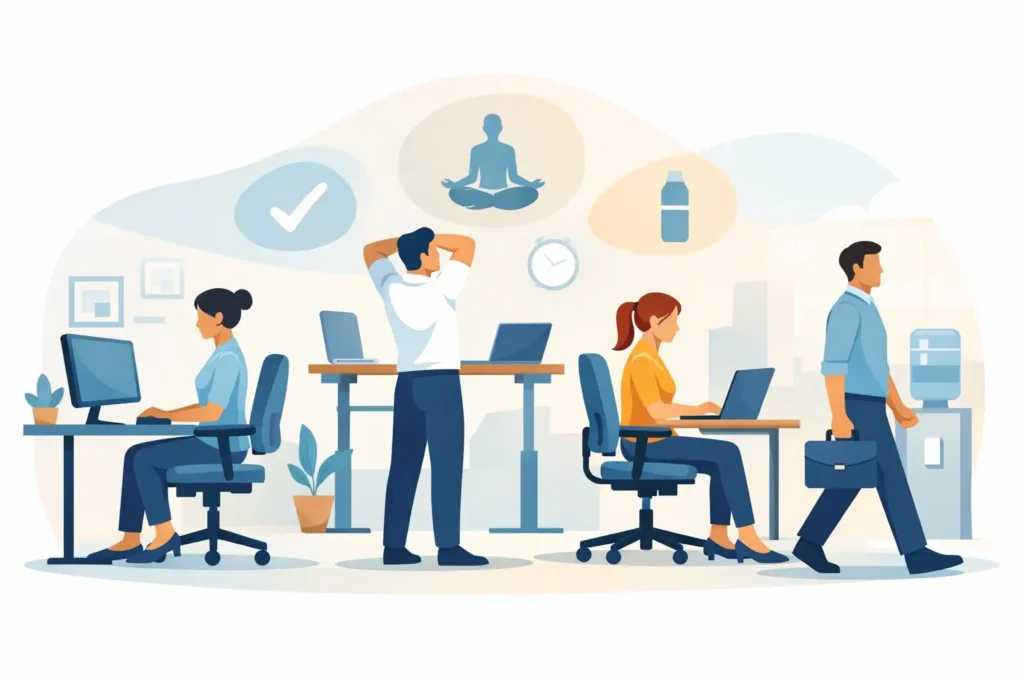
A full inbox can pull anyone into the same position for hours: chin drifting toward the screen, shoulders creeping upward, and low back settling into the chair. The best office habits for posture are not about holding a stiff, picture-perfect pose all day. They are small, repeatable choices that help your body change positions, stay supported, and recover before discomfort becomes your normal.
For many San Antonio professionals, desk-related aches show up as neck tension, headaches, upper-back tightness, low-back pain, or tingling that travels into the arms or legs. Your workstation may contribute, but posture is rarely just a furniture problem. It is also shaped by stress, prior injuries, sleep, strength, movement patterns, and how long you stay still. A practical plan addresses the whole picture.
Start With a Workstation That Fits You
An expensive chair cannot make up for a desk setup that forces you to reach, twist, or look down all day. Before buying new equipment, adjust what you already use. Sit back so your pelvis and low back are supported, with both feet resting on the floor or a stable footrest. Your knees should generally be near hip level or slightly lower, rather than sharply raised toward your chest.
Place your monitor directly in front of you, about an arm’s length away. The top third of the screen should be near eye level for most people. If you wear progressive lenses or bifocals, the ideal height can differ because you may otherwise tip your chin up to see clearly. In that case, a slightly lower screen and an eye-care conversation may be more helpful than forcing a standard measurement.
Keep your keyboard and mouse close enough that your elbows can stay comfortably by your sides. Your forearms should have support when possible, but avoid pressing your wrists hard against the edge of the desk. If you use a laptop as your primary workstation, consider raising the screen and using a separate keyboard and mouse. Looking down at a laptop for several hours is one of the most common ways a workday turns into neck strain.
Let Movement Be Your Posture Strategy
There is no single perfect posture to hold from 8 a.m. to 5 p.m. The most supportive position is often the next position. Even an ergonomic setup becomes uncomfortable when your body has been still too long.
Set a realistic reminder to stand, walk, or change position every 30 to 60 minutes. This does not need to interrupt your productivity. Refill water, take a brief lap before a call, stand while reviewing a document, or walk to speak with a coworker instead of sending every message. Frequent, short movement breaks are often more sustainable than waiting for one long workout after a sedentary day.
During a busy season, start with a modest goal: two or three minutes of movement each hour. Consistency matters more than doing an elaborate routine once and abandoning it the next day. If standing aggravates your feet, knees, or low back, alternate gradually rather than trying to stand for half the day immediately.
Use Simple Resets for Your Neck, Shoulders, and Back
A brief reset can reduce the buildup of muscle tension that comes from screen work. Think gentle motion, not aggressive stretching or pushing through pain. Slowly roll your shoulders backward, open your chest, and let your arms rest at your sides. Turn your head gently from side to side within a comfortable range, then look away from the screen and take several relaxed breaths.
For your upper back, stand and place your hands behind your head or across your chest. Gently extend over the back of your chair if it is sturdy and low enough to support the mid-back, not the neck. A short walk can be just as valuable. The goal is to give your spine and surrounding muscles a different input from the forward-leaning position of desk work.
If a movement causes sharp pain, dizziness, numbness, worsening tingling, or symptoms that travel down an arm or leg, stop. Those signs deserve an individualized assessment rather than a one-size-fits-all office exercise. The right rehabilitation exercise depends on your mobility, strength, medical history, and the source of your symptoms.
Keep Your Phone From Pulling You Forward
Your desk posture can be excellent and still be undone by an hour of phone use. Holding a phone near your lap encourages the head and upper back to bend forward, increasing strain on already tired neck muscles. Bring the phone closer to eye level when you can, and use a hands-free option for longer calls rather than trapping the phone between your ear and shoulder.
Pay attention to the transitions around work, too. Many people leave the desk only to spend the commute, dinner, and evening scrolling in the same slouched position. A few intentional breaks from screens after work can help your body recover and improve awareness of the habits that are driving discomfort.
Build Strength, Not Just Awareness
Posture cues can be useful, but repeatedly telling yourself to “sit up straight” is rarely enough. Your body needs the endurance to support a more comfortable working position and the mobility to move out of it. This may involve strengthening the deep neck muscles, mid-back, core, hips, and glutes, while improving movement where you are restricted.
The appropriate exercises are personal. Someone with a history of disc pain, sciatica, pregnancy-related pelvic discomfort, an auto accident injury, or recurring headaches may need a different starting point than someone with mild desk stiffness. This is why an objective evaluation is valuable. It can identify whether limited spinal motion, weak postural muscles, irritated joints, nerve involvement, or daily habits are playing the biggest role.
A care plan may include chiropractic adjustments, spinal or extremity work, postural rehabilitation exercises, home-care instruction, and other supportive services based on your needs. At Align Chiropractic and Wellness, progress is monitored through re-evaluations so recommendations can change as your function and comfort improve.
Make Your Best Office Habits for Posture Easy to Repeat
Good intentions disappear when work gets demanding. Make the healthy choice visible and convenient. Put your water bottle where you must stand to refill it. Set recurring calendar prompts with a specific action, such as “walk for two minutes” instead of a vague reminder to improve posture. Keep your headset within reach, and position frequently used items close to avoid repetitive twisting.
It also helps to connect a posture habit to something you already do. After sending a major email, stand up. When a meeting ends, reset your shoulders and take a few steps. Each time you use the restroom, perform a gentle stretch before returning to your chair. These small anchors reduce the need for willpower.
Do not overlook stress. When deadlines pile up, many people brace through the jaw, neck, and shoulders without realizing it. Slow breathing, brief outdoor walks, regular meals, and adequate sleep do not replace clinical care when pain is present, but they can reduce the nervous system stress that makes muscle tension harder to release.
Know When Desk Discomfort Needs Professional Attention
A stiff neck after an unusually long day may improve with movement, rest, and a better setup. Persistent or recurring symptoms are different. Consider an evaluation if pain keeps returning, limits work or exercise, disrupts sleep, causes frequent headaches, or comes with numbness, weakness, radiating pain, or changes in coordination.
Postural problems are also worth addressing before they become severe. A personalized assessment can clarify what is happening, establish meaningful goals, and give you a plan that fits your job, family responsibilities, activity level, and health history. Rather than chasing temporary relief, you can work toward better movement and more confidence in what your body can do.
Your desk may be where the strain shows up, but it does not have to be where the story ends. Start with one workstation adjustment and one movement reminder this week. If pain or stiffness is already interfering with your day, a thoughtful, hands-on evaluation can help you move forward with a plan built for your body.