
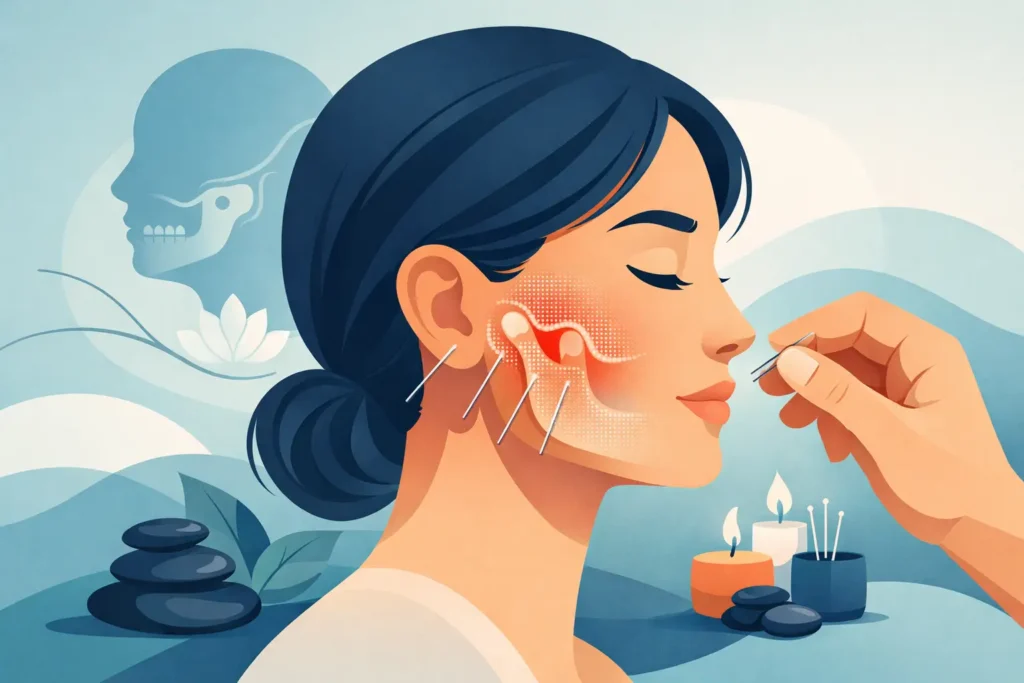
A clenched jaw can make an ordinary workday feel exhausting. It may start as tightness near the cheeks or temples, then show up as morning headaches, sore teeth, neck stiffness, clicking, or pain when chewing. So, can acupuncture ease jaw tension? For many people, it can be a valuable part of a personalized plan to calm overactive muscles, reduce pain sensitivity, and address the stress and posture patterns that keep the jaw working overtime.
Jaw tension is rarely just a jaw problem. The muscles around the jaw, neck, shoulders, and upper back work together constantly. At Align Chiropractic and Wellness, we look at those connections so care can support both near-term comfort and healthier movement over time.
Why jaw tension can become a daily problem
The jaw joint is called the temporomandibular joint, often shortened to TMJ. People also use “TMJ” to describe a group of symptoms known clinically as temporomandibular disorders, or TMD. These can include jaw pain, limited opening, popping or clicking, headaches, ear-area pressure, facial soreness, and pain that travels into the neck.
Teeth grinding and clenching are common contributors, especially during sleep or periods of stress. But the picture is often more complex. Long hours looking down at a phone, a forward-head posture at a computer, old neck injuries, sleep disruption, anxiety, chewing habits, and uneven muscle use can all increase strain through the jaw and upper body.
That is why a one-size-fits-all approach often falls short. A night guard may protect teeth from damage, for example, but it may not fully address daytime clenching, restricted neck motion, or the nervous system stress that contributes to muscle guarding. The right plan depends on what is driving your symptoms.
How acupuncture may help jaw tension
Acupuncture uses very thin, sterile needles placed at specific points in the body. When used for musculoskeletal concerns, the goal is not simply to chase the most painful spot. Treatment may help influence local muscle tone, circulation, pain signaling, and the body’s stress response.
For jaw tension, an acupuncturist may use points in the face and jaw area as well as points in the neck, hands, arms, or lower legs. This broader approach can be helpful because jaw clenching is often tied to tension patterns beyond the jaw itself. Some patients notice that their jaw feels less guarded after a session, while others report fewer tension headaches or less neck tightness over a series of treatments.
Research on acupuncture for TMD-related pain is promising, though results vary. Studies have found that acupuncture may reduce pain and improve jaw function for some people, but it is not a guaranteed fix and research methods differ from study to study. It tends to make the most sense as one tool within a broader, individualized care plan rather than as a stand-alone answer for every type of jaw problem.
Relief may be gradual, not instant
Some patients feel a change after their first treatment. Others need several visits before tightness begins to settle and daily triggers become easier to manage. The timeline can depend on how long symptoms have been present, how often you clench, the degree of neck and postural involvement, sleep quality, and whether there is an underlying joint or dental concern.
Regular re-evaluations matter. They help show whether jaw opening, muscle tenderness, headache frequency, and daily function are improving, rather than relying only on how you feel on one particular day.
Acupuncture and jaw tension: what a personalized visit may include
A thoughtful evaluation starts with listening. Your provider may ask when the tightness occurs, whether symptoms are worse in the morning, if chewing or yawning causes pain, and whether headaches, neck pain, or stress changes are part of the pattern. They may also assess jaw movement, tenderness in the chewing muscles, cervical spine motion, shoulder posture, and areas of compensation through the upper back.
If acupuncture is appropriate, treatment is typically comfortable and tailored to your presentation. You may feel a small pinch as a needle is placed, followed by a dull, warm, heavy, or releasing sensation. Many people feel deeply relaxed during treatment. Mild soreness or temporary fatigue can occur afterward, but serious complications are uncommon when acupuncture is performed by a properly trained provider using sterile techniques.
Care may also include gentle chiropractic or extremity adjustments when indicated, postural rehabilitation exercises, hands-on soft tissue work, and home-care instruction. For example, improving mobility through a stiff neck and upper back may reduce the amount of compensatory work your jaw has to do. This is especially relevant for people whose symptoms worsened after a car accident, a period of desk work, or a flare-up of headaches and neck pain.
What you can do between appointments
The habits that happen between visits often shape your progress. A useful starting point is to notice your resting jaw position. Your lips can be gently closed, but your teeth do not need to touch. Letting the tongue rest lightly behind the upper front teeth can help remind the jaw muscles to soften.
Try to avoid chewing gum, biting pens, resting your chin in your hand, or repeatedly testing a click by opening and closing the jaw. During a painful flare, choose softer foods temporarily and take smaller bites. Heat applied to the jaw and side of the neck may ease muscle soreness for some people, while slow breathing can reduce the urge to clench during stressful moments.
Posture also deserves attention. If your head drifts forward over a laptop or phone for hours, the muscles connecting the jaw, neck, and shoulders may remain on alert. Brief movement breaks, a better screen setup, and prescribed home exercises can make a meaningful difference. The goal is not perfect posture all day. It is giving your body more frequent opportunities to move out of a strained position.
When acupuncture may not be enough on its own
Jaw pain deserves a proper assessment, particularly when it is new, severe, or worsening. Acupuncture may help muscle-related tension and pain, but it does not replace dental or medical evaluation when another cause needs attention. Tooth decay, infection, gum disease, an ill-fitting dental appliance, arthritis, a disc problem in the joint, or injury may require additional care.
Contact a dentist or medical professional promptly if you have facial swelling, fever, a toothache with sensitivity or drainage, an inability to open or close your mouth normally, jaw locking, sudden changes in your bite, numbness, or severe pain after trauma. Jaw pain paired with chest pressure, shortness of breath, nausea, sweating, or pain spreading into the arm or shoulder needs emergency evaluation, as it can occasionally be related to a heart problem.
If you already use a night guard or are receiving dental treatment, acupuncture and musculoskeletal care can often complement that work. Clear communication among providers helps ensure your plan supports the full picture.
A whole-person approach to easing jaw tension
The most effective care plan is the one that matches your body and your life. A busy parent may need strategies for stress-related daytime clenching. A remote worker may benefit from neck mobility and workstation changes. Someone recovering from a collision may need focused support for the cervical spine, jaw mechanics, and headaches. The common thread is looking beyond the painful area.
Acupuncture can be a gentle, non-invasive option for easing jaw tension, particularly when treatment also addresses posture, movement, recovery, and the daily habits that feed muscle guarding. You do not have to accept tightness, headaches, or a sore jaw as the cost of a stressful schedule. A personalized assessment can help identify what your body is asking for and create a practical path toward more comfortable days.